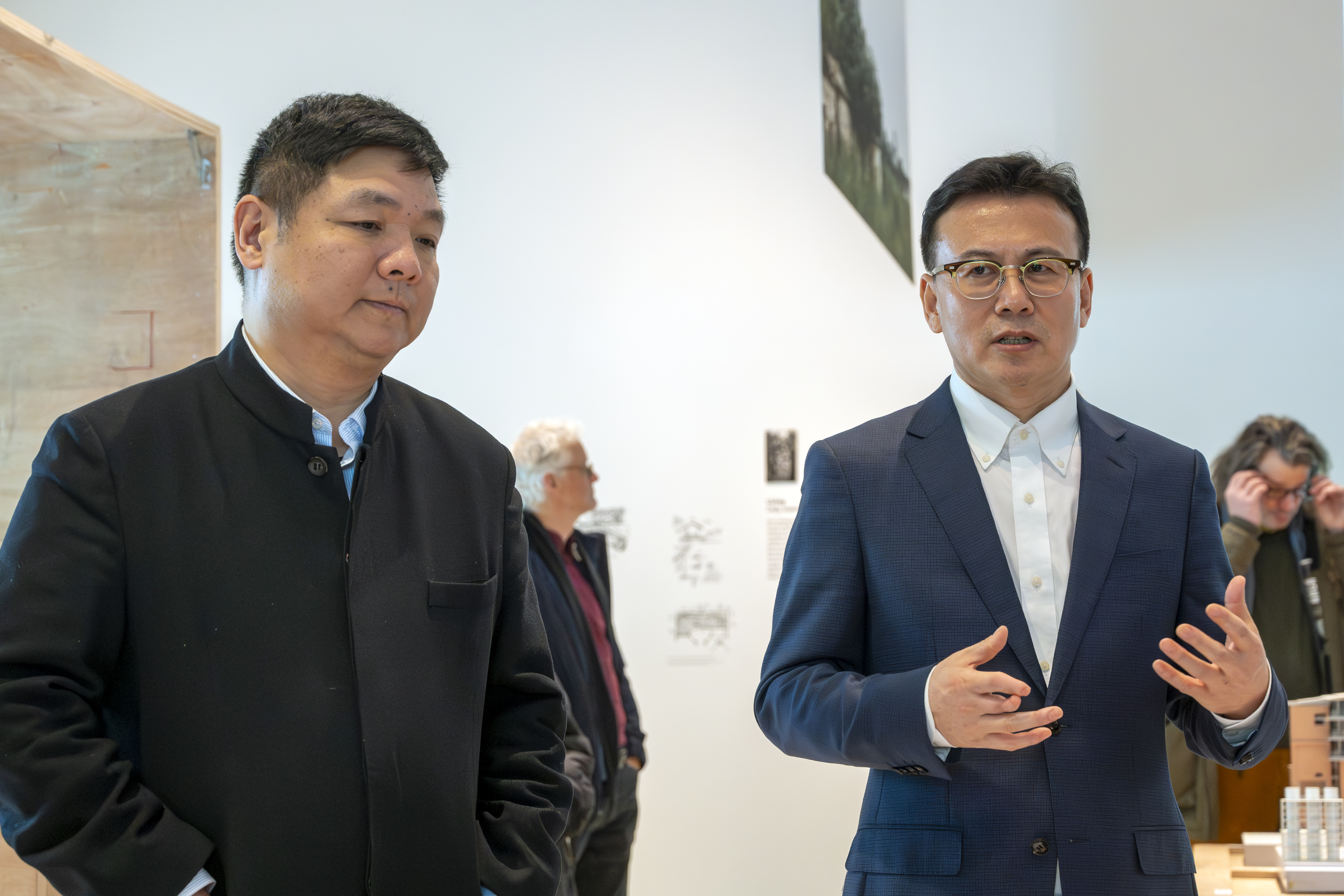
With Vital Architecture, Atelier Li Xinggang presents selected projects from China that create spaces where nature and the built environment merge into a living whole. Architecture is understood here as an interplay of space, environment, history and experience – a position between idealism and reality in which the built mediates and connects. Five spatial strategies form the foundation of a 'Vital City' concept, in which buildings do not stand in isolation but exist in poetic dialogue with their surroundings. A multi-layered scenography composed of models, sketches, images, and installations make the architectural process tangible – from research through design to use. The exhibition demonstrates how spatial knowledge is translated into concrete, contemporary architectural ideas, contributing to a vital built environment.
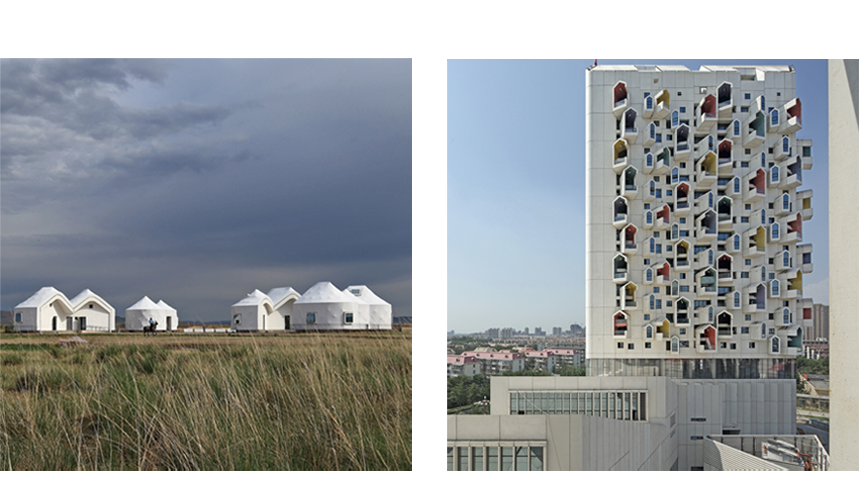
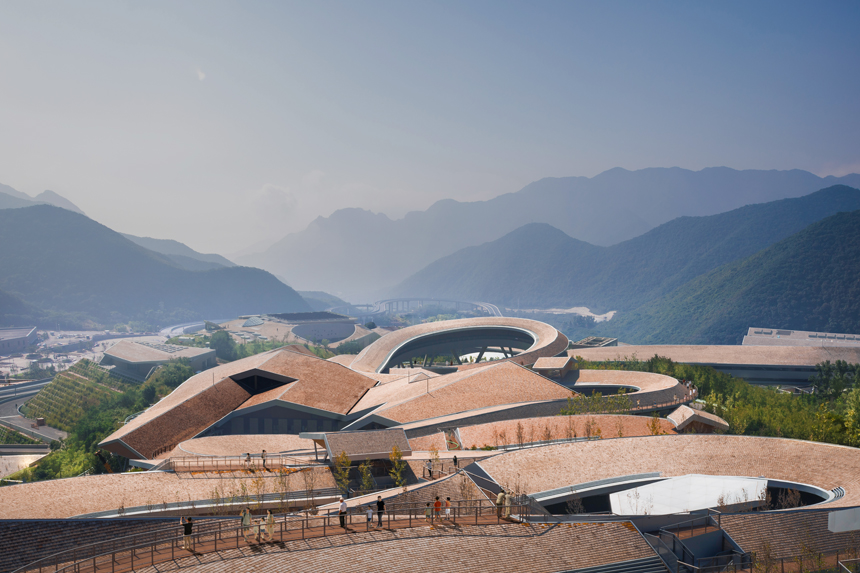
Visitor Center for the Site of Xanadu. © Zhang Guangyuan | The Third Space in Tangshan. © Zhang Guangyuan
Position and Principles
Vital Architecture – Between Idealism and Reality offers insight into a practice that consistently engages with the conditions of building in a changing environment. Architecture is not understood as an autonomous object, but as a mediating entity between nature and artefact, past and present, individual perception and collective reality.
Li Xinggang's architectural thinking draws from intensive engagement with China's historic urban and landscape spaces. The vulnerability of the built in relation to nature, as well as the spatial power of traditional urban structures, form the background for a position that understands architecture as protective, ordering and emotionally effective space.
From decades of research into Chinese cities, gardens and building methods, Li Xinggang has developed core design principles: the close relationship between building and spatial context, the dissolution of boundaries between nature and architecture, the formative role of structural and envelope systems, the creation of spatial dramaturgy, and the pursuit of poetic spatial experience. These principles form the foundation of an architecture that is culturally situated yet universally readable.
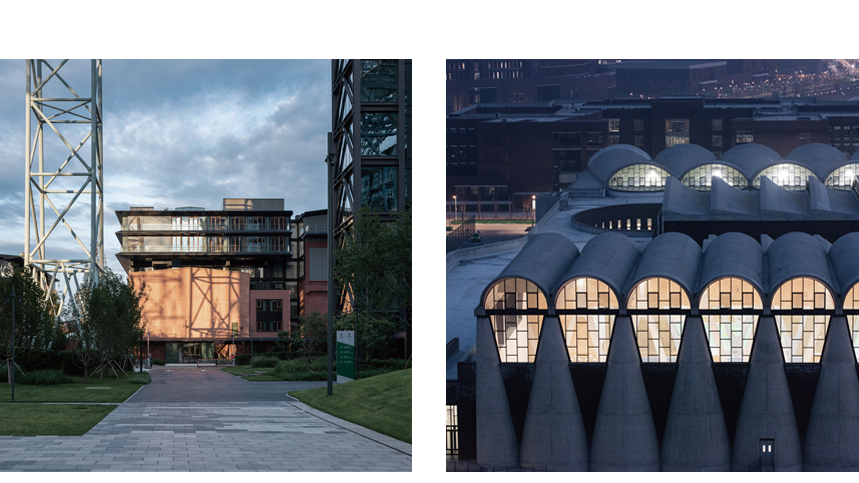
Silo Pavilion, Holiday Inn Express, Beijing Shougang © Chen Hao | Gymnasium on the new campus of Tianjin University © Sun Haiting
Exhibition
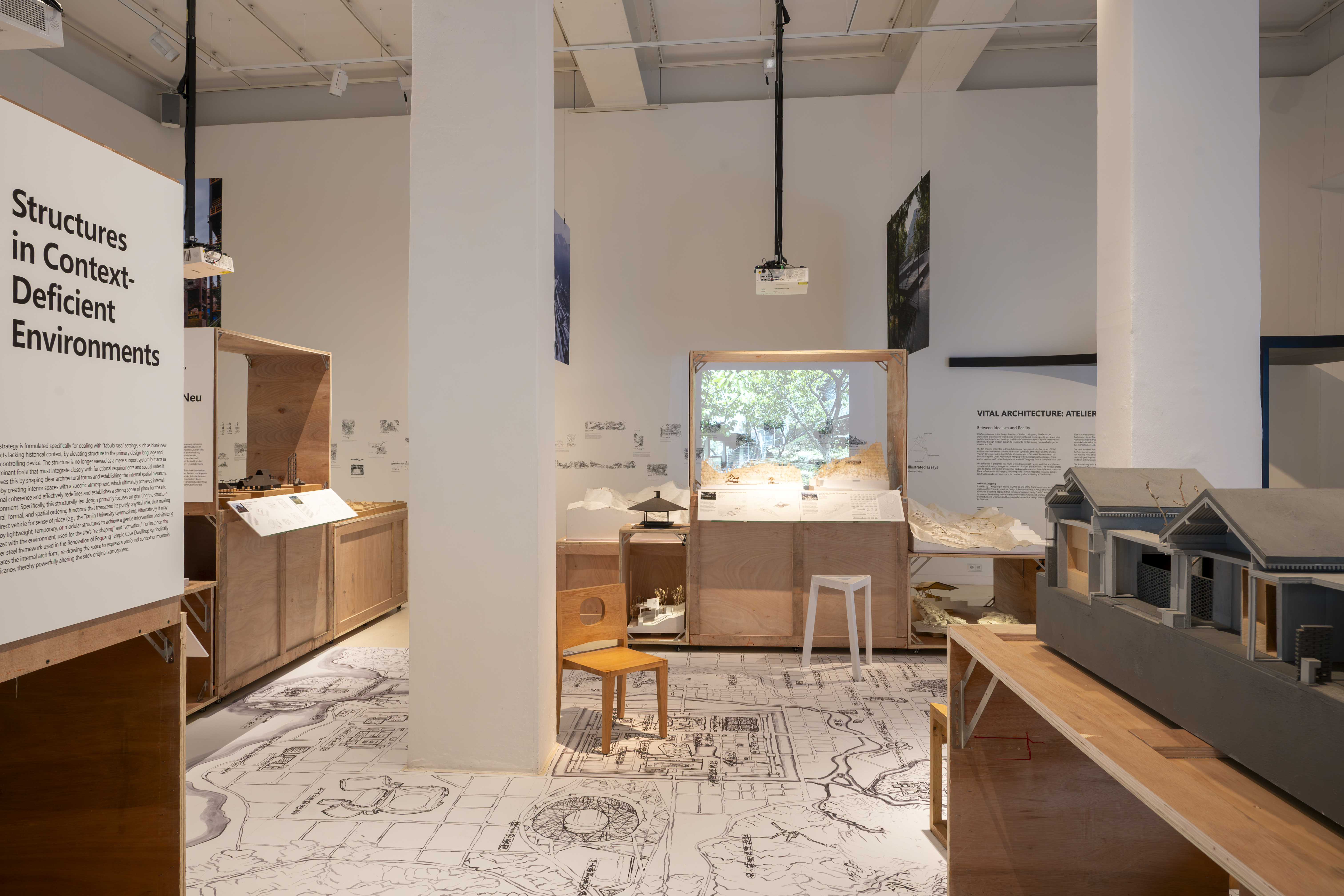
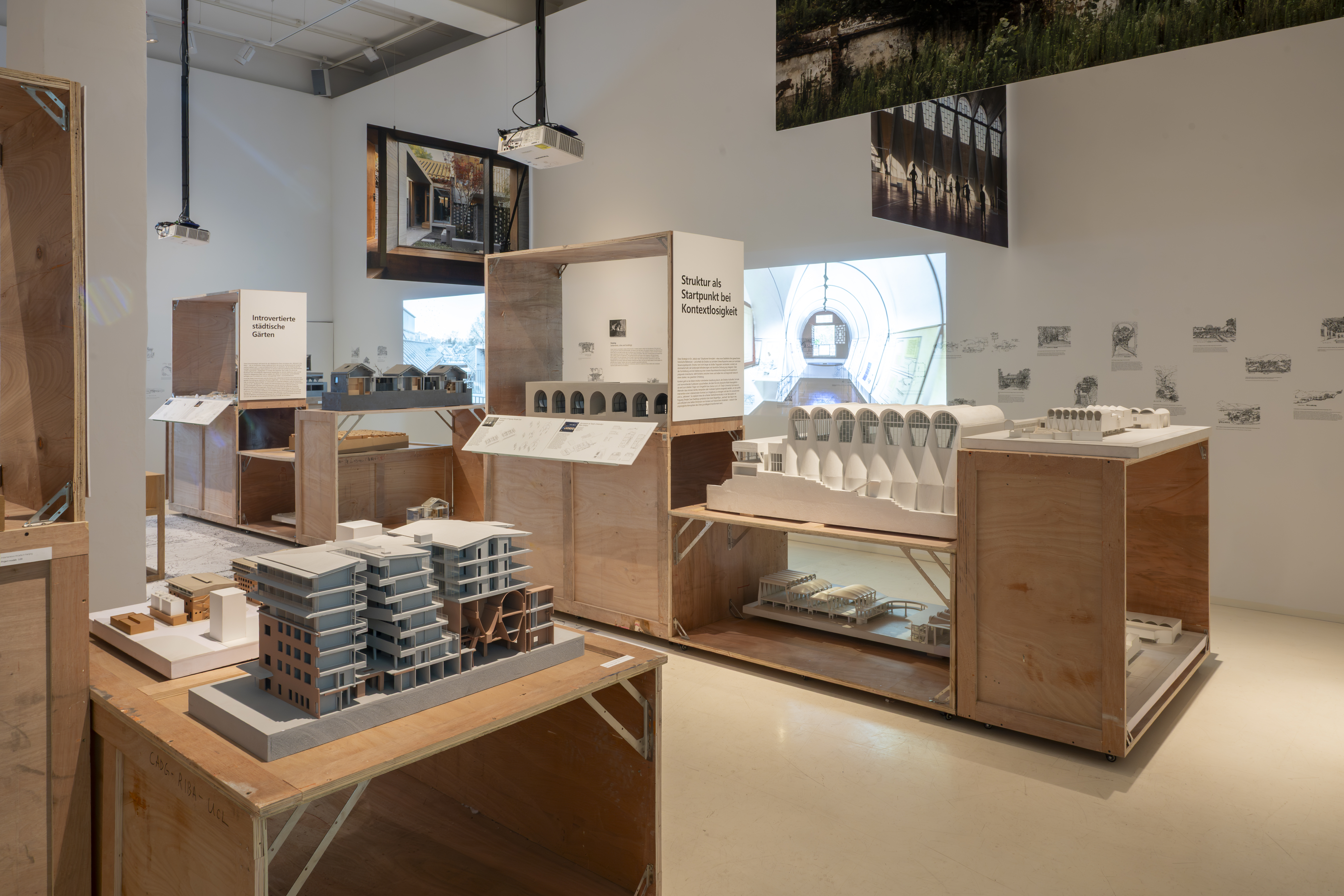
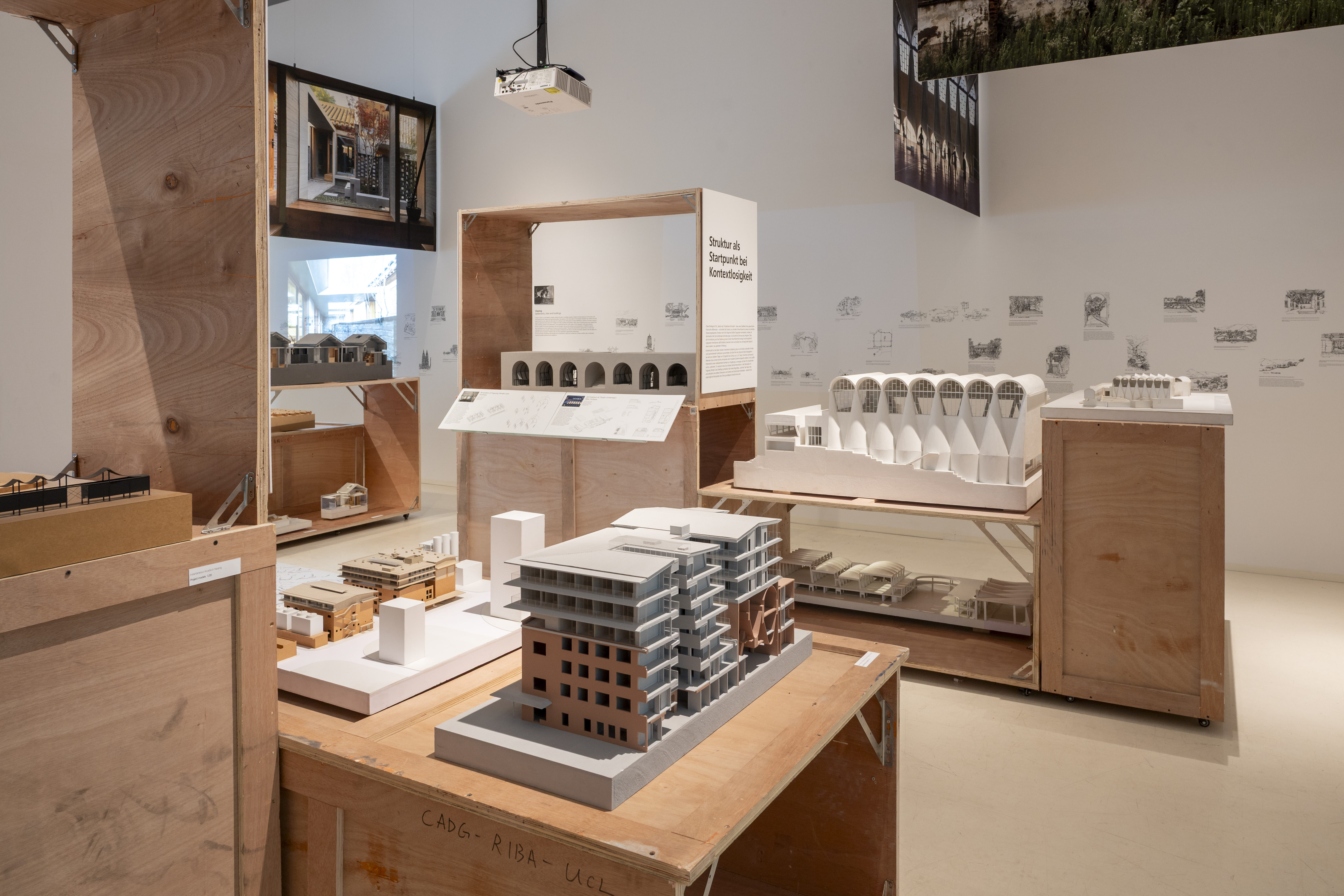
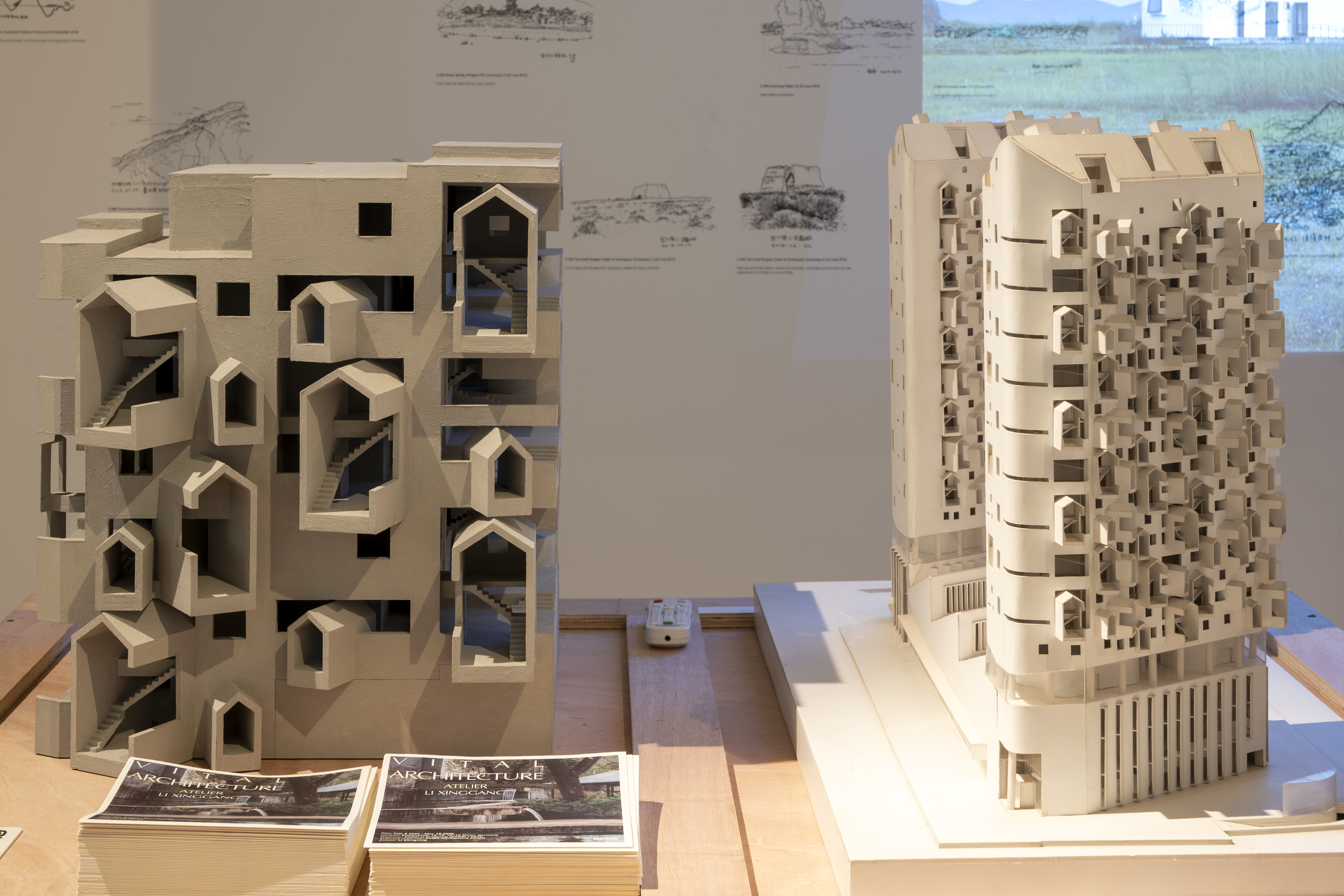
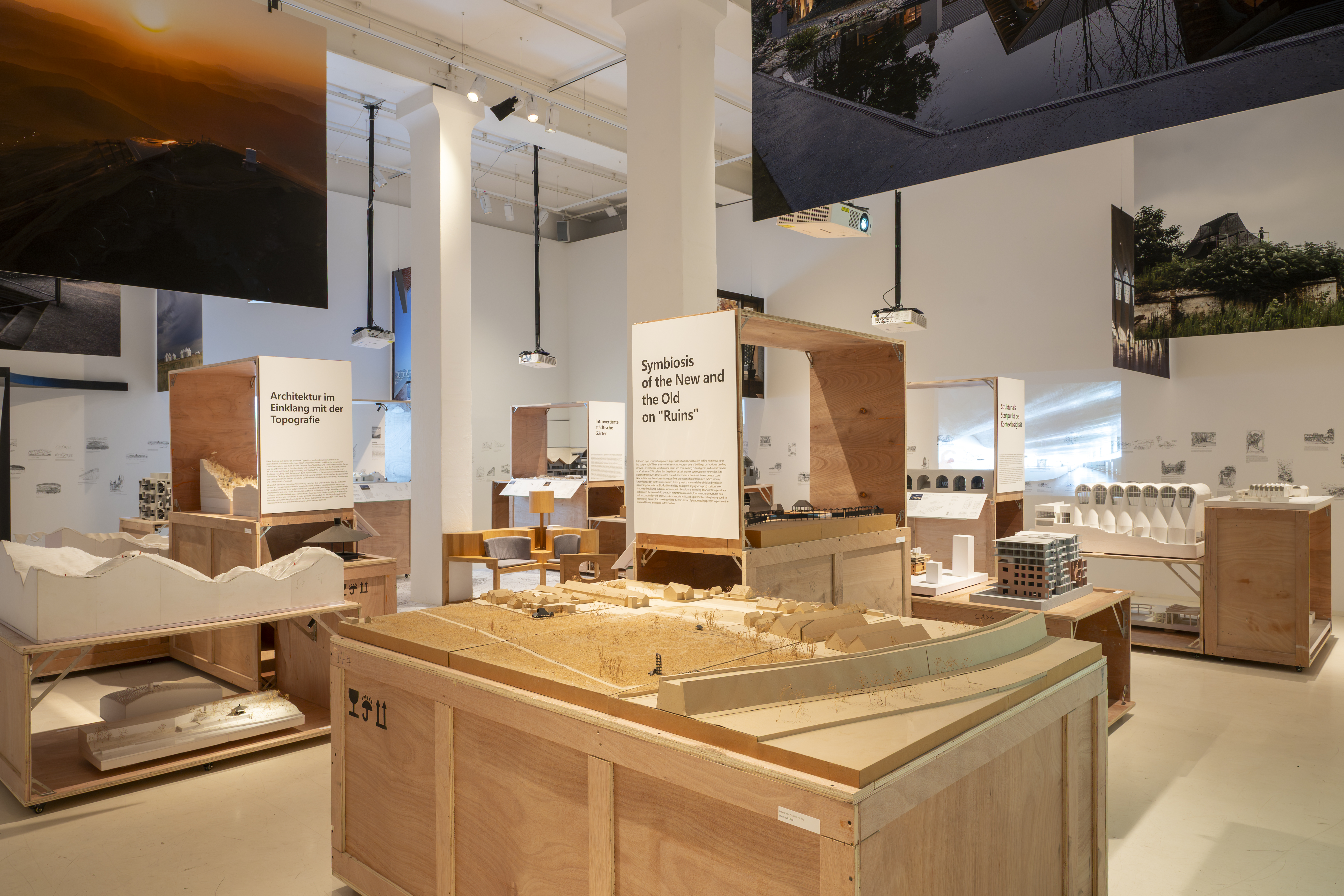
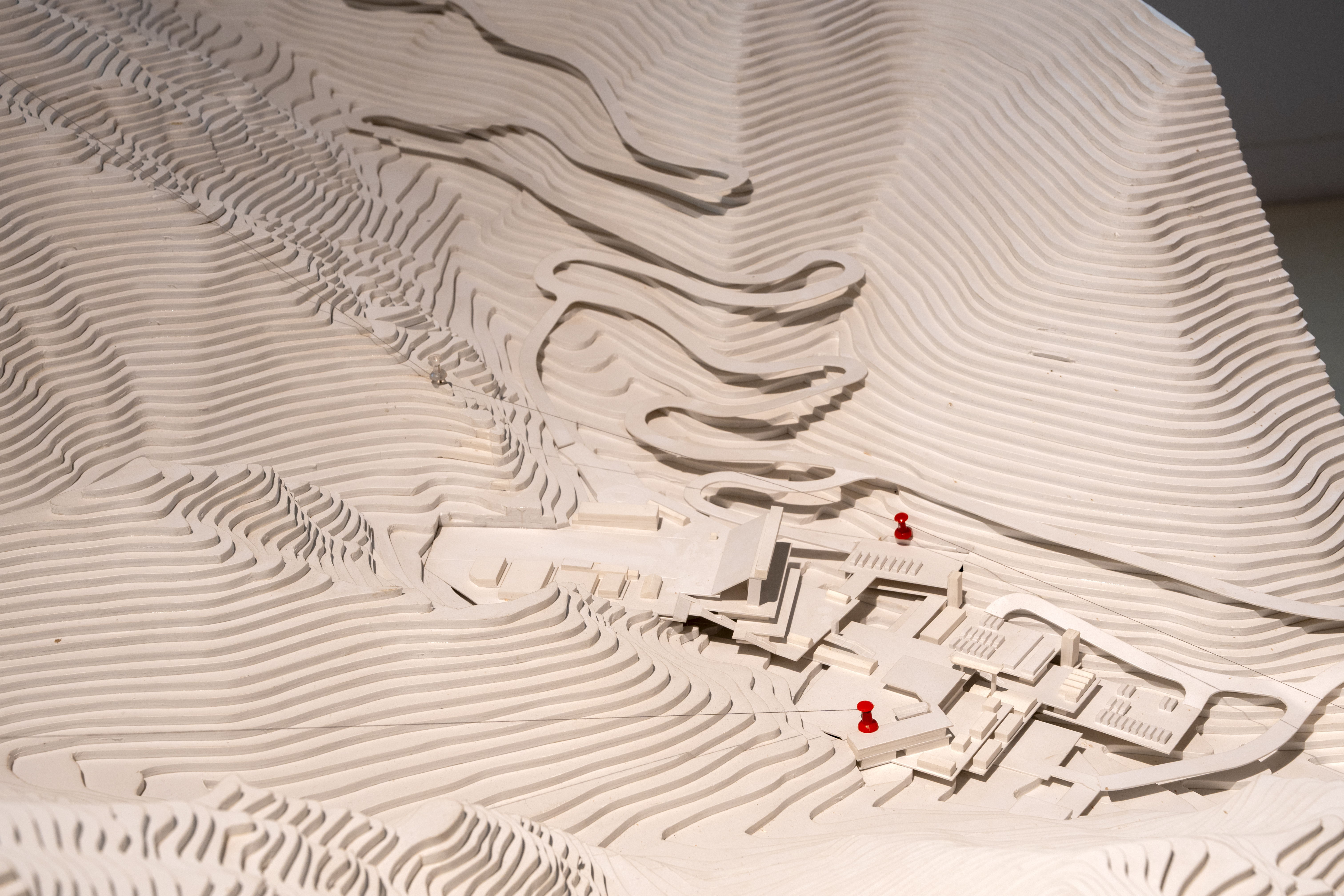
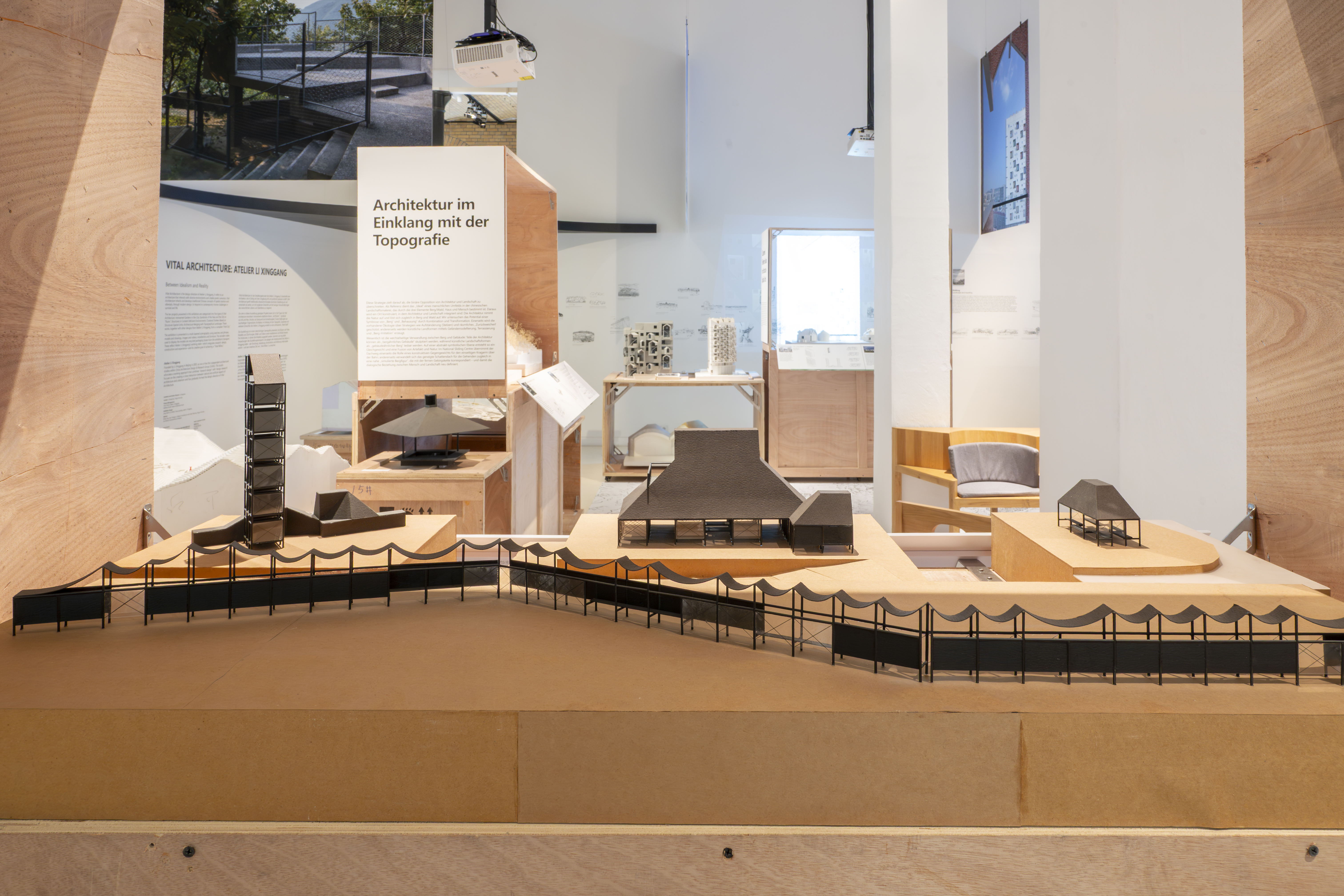
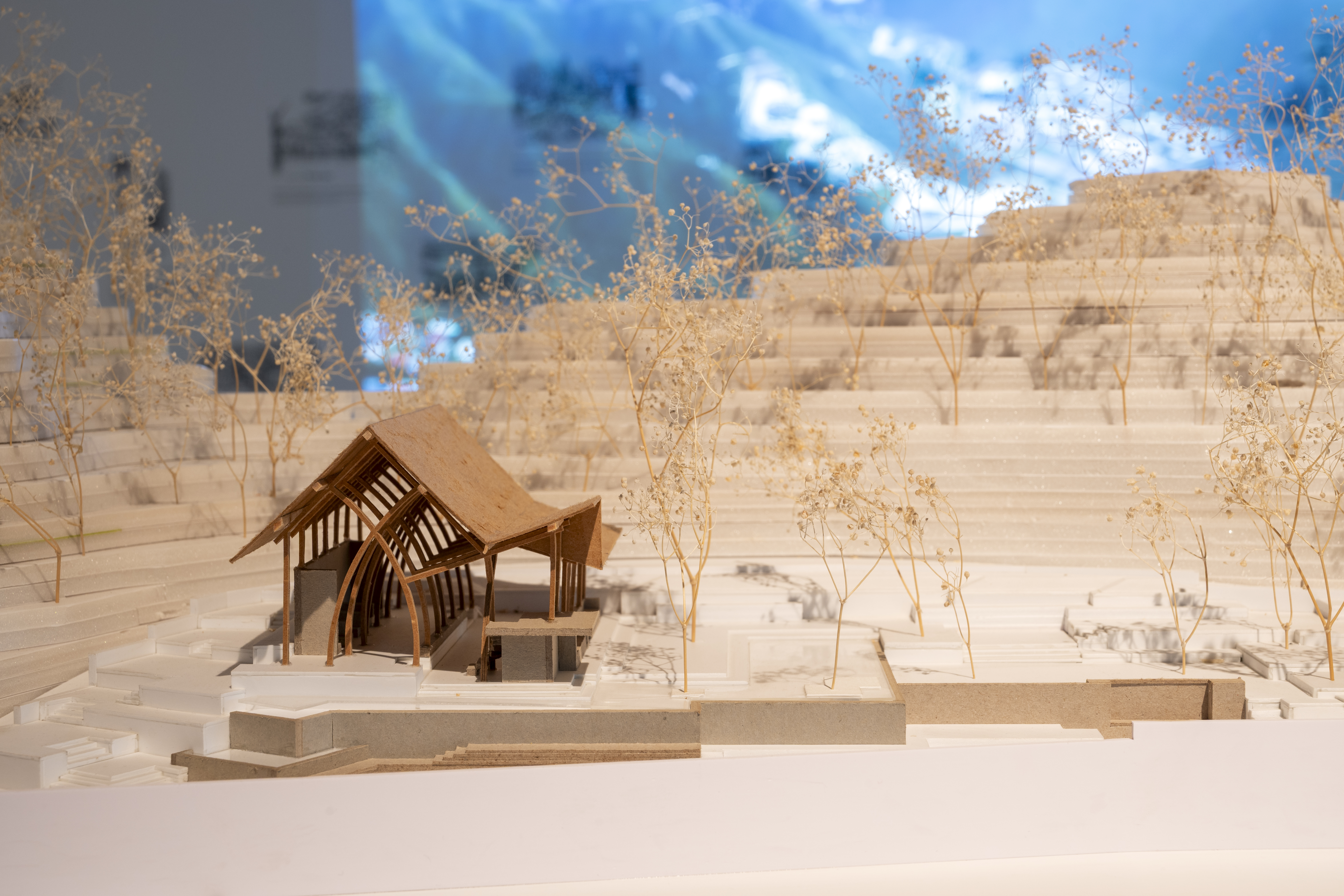
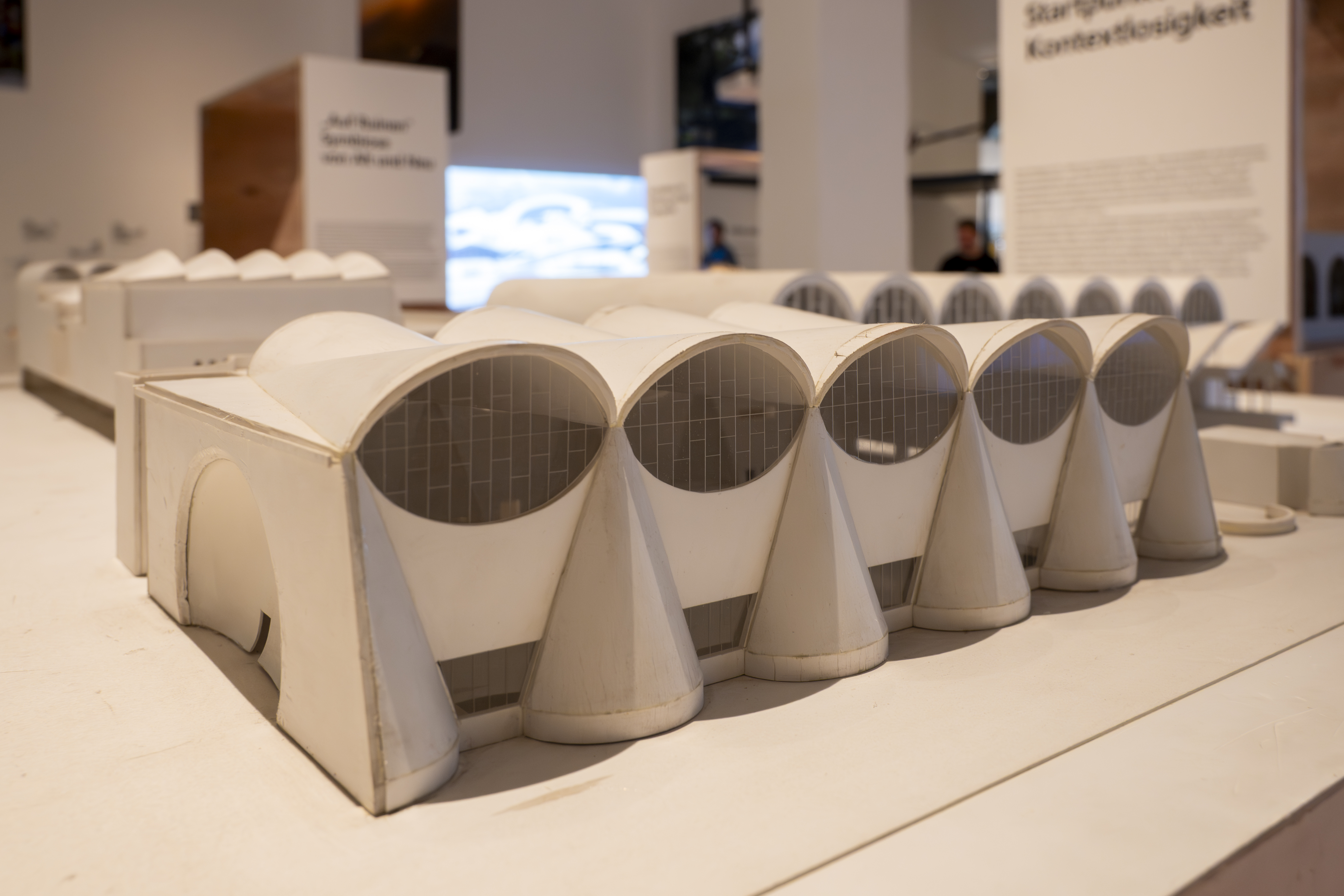
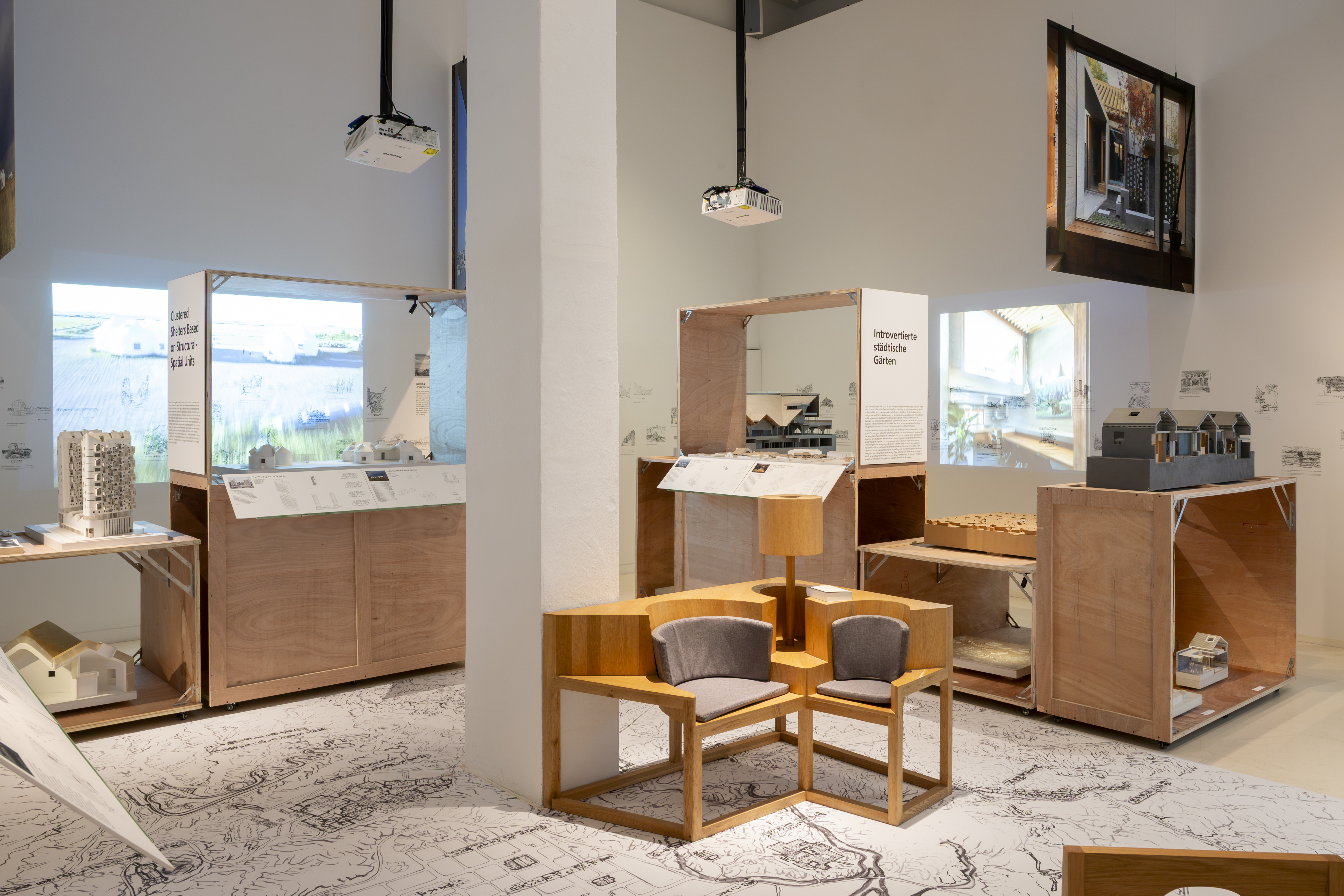
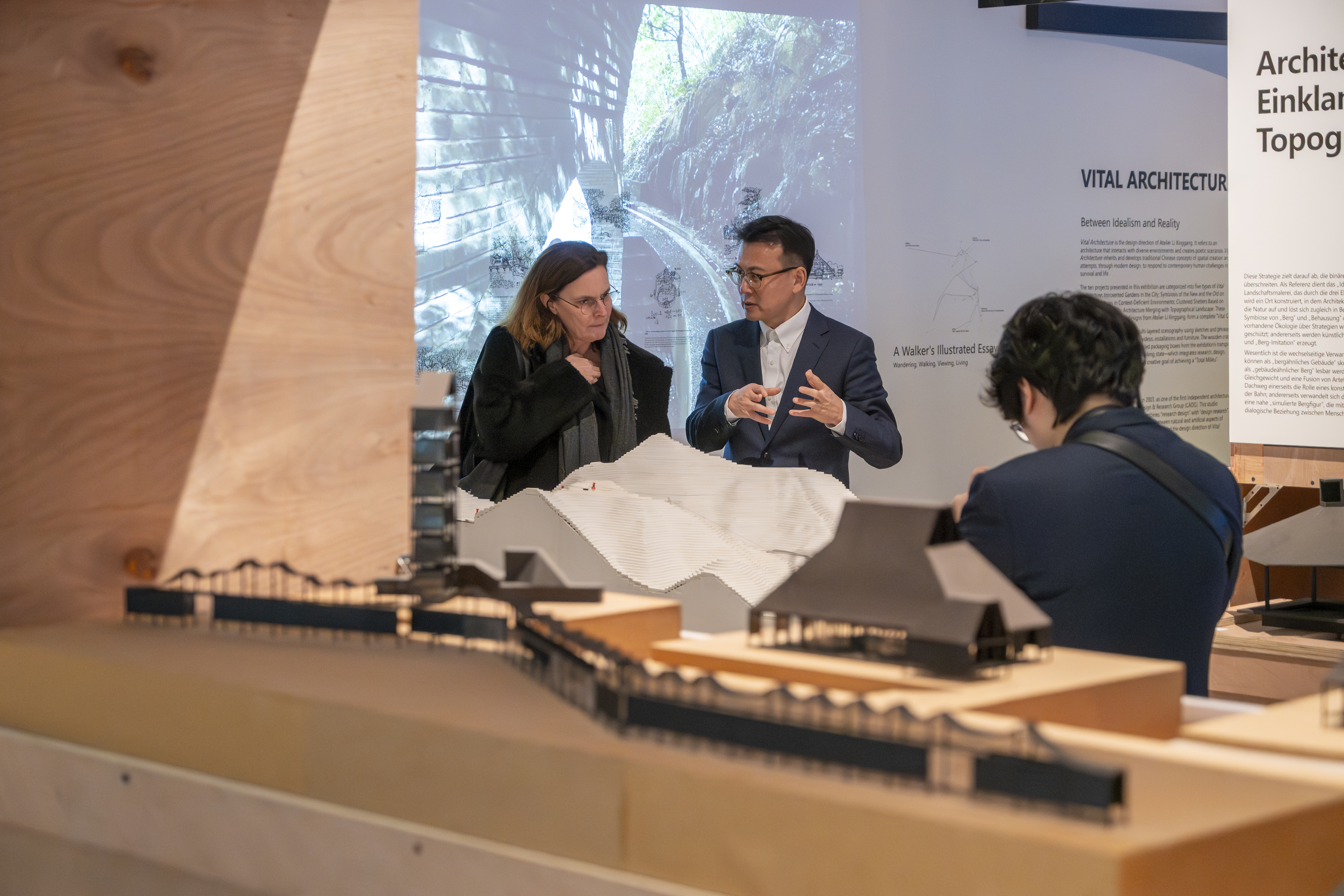
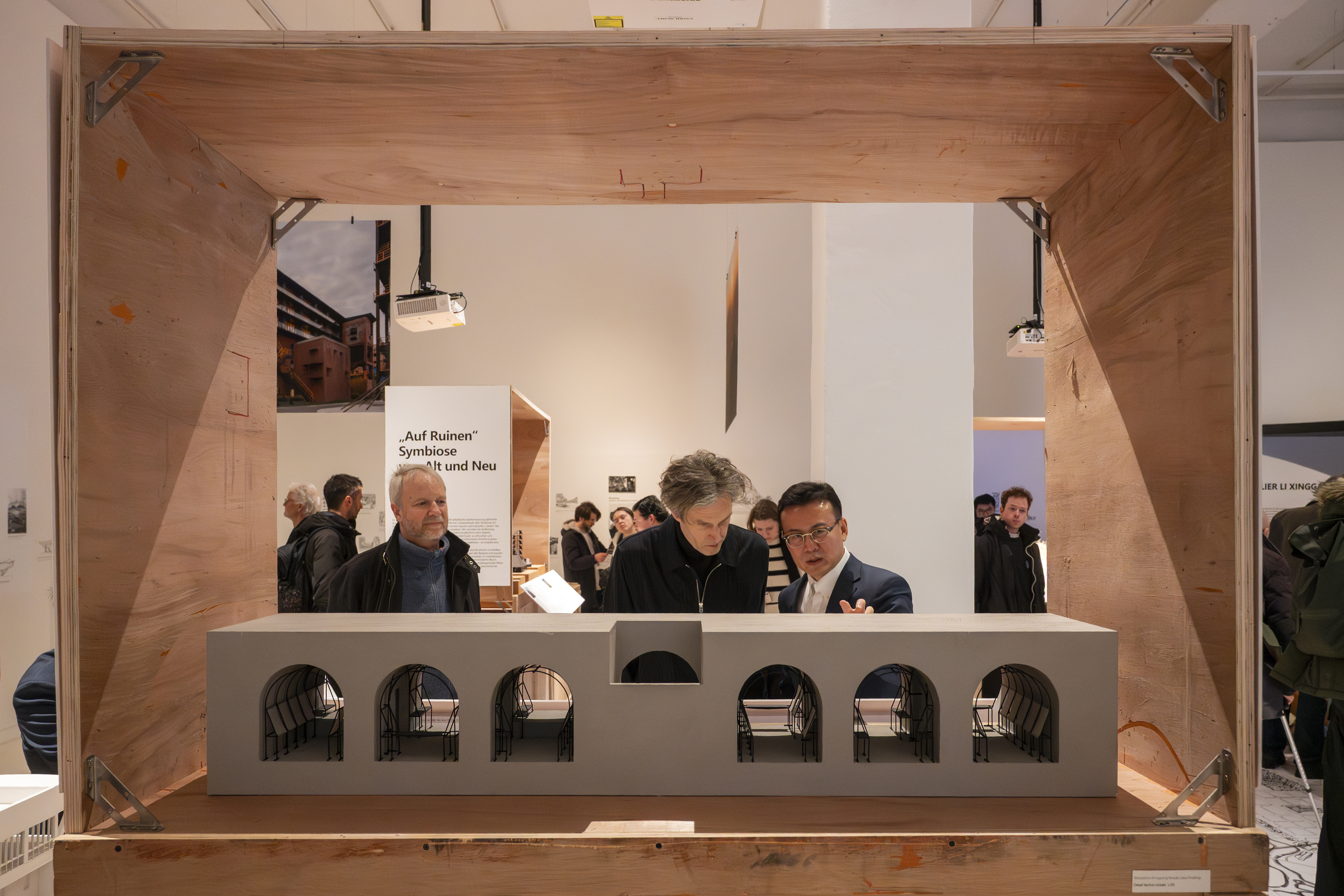
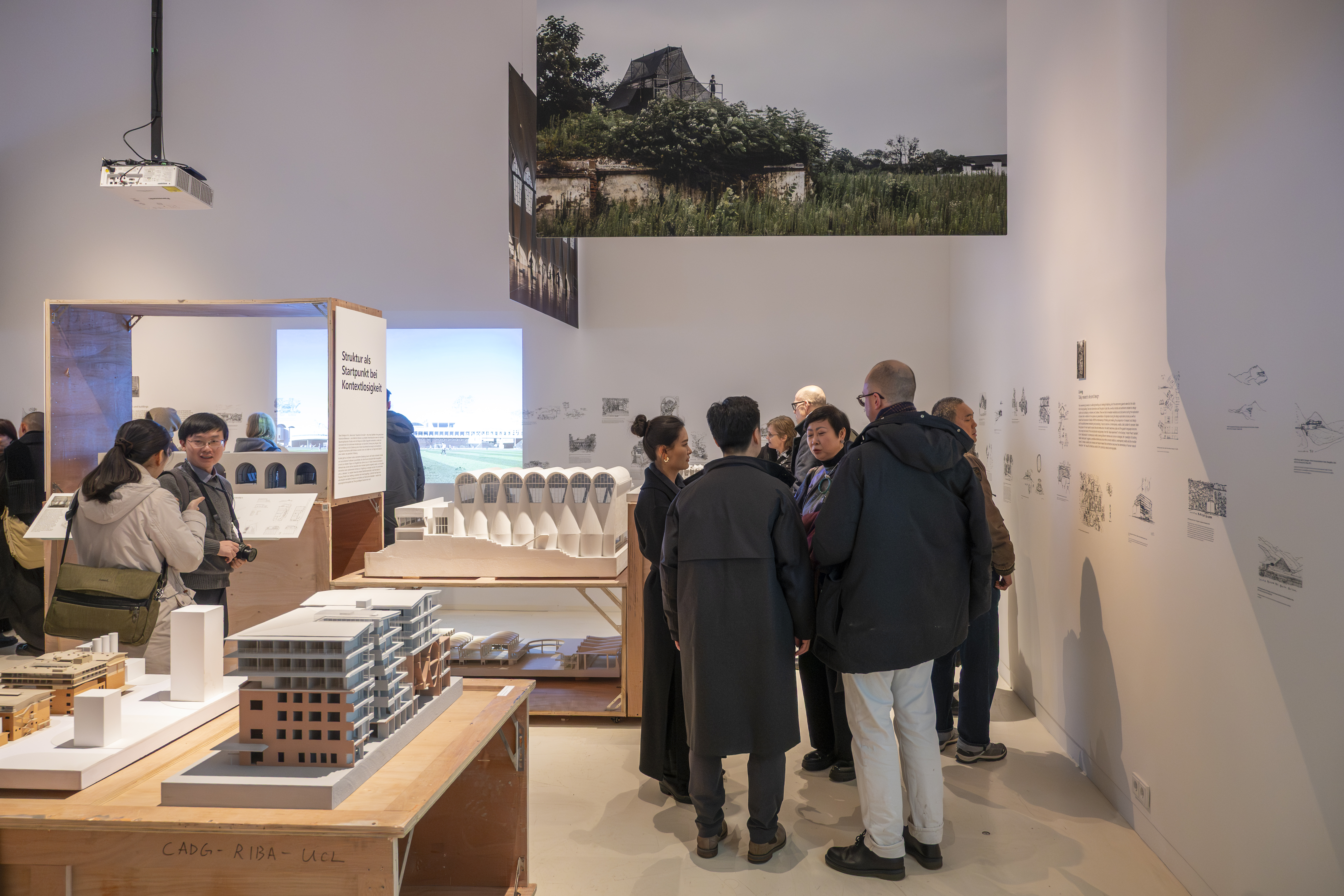
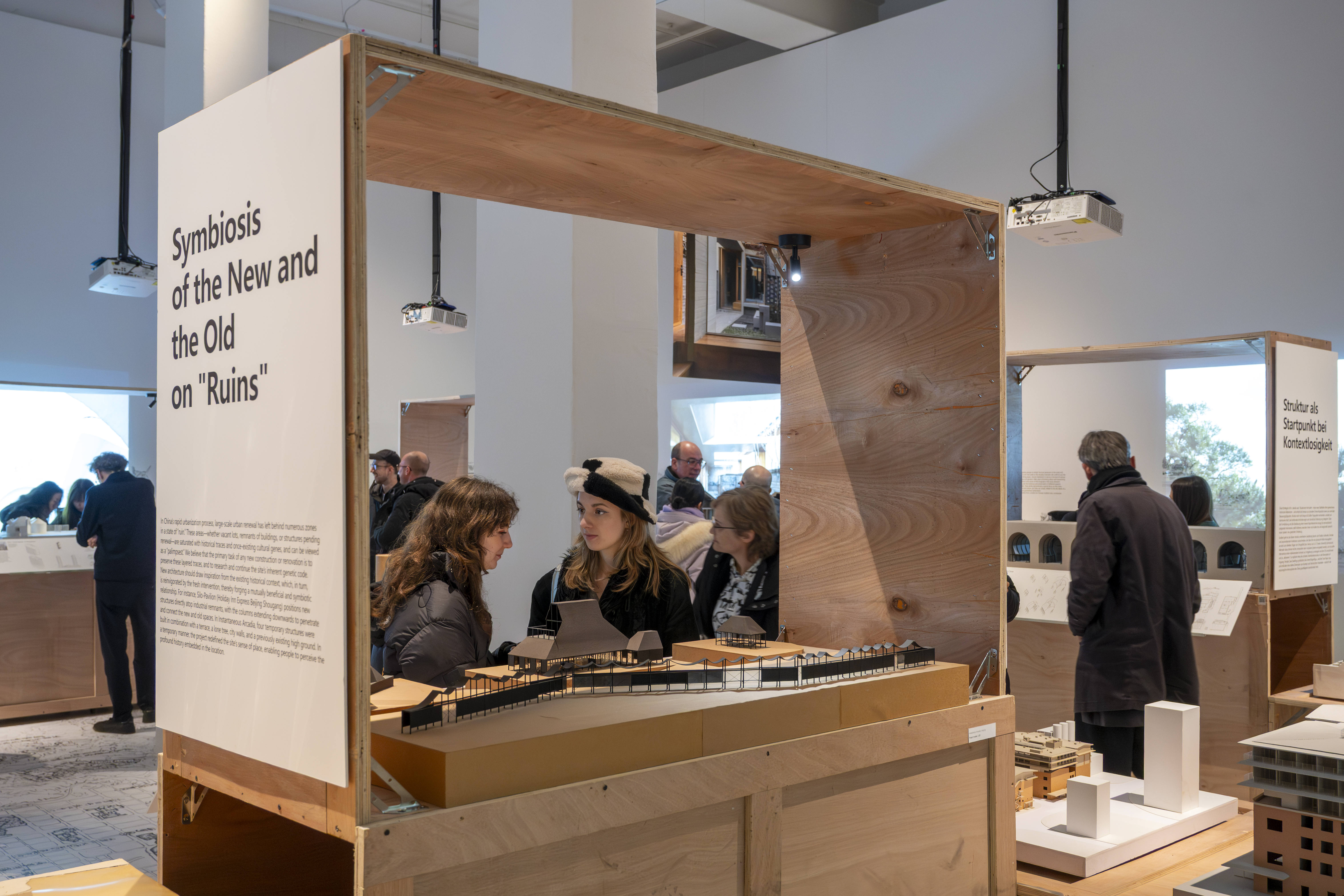
The exhibition at Aedes organises the projects into five spatial strategies: Introverted Gardens in the City; Symbiosis of the New and the Old on 'Ruins'; Structures in Context-Deficient Environments; Clustered Shelters Based on Structural-Spatial Units; Architecture Merging with Topographical Landscape. Despite varying scales, these works share a common goal: to develop architecture as a living system that balances environment, structure and human experience.
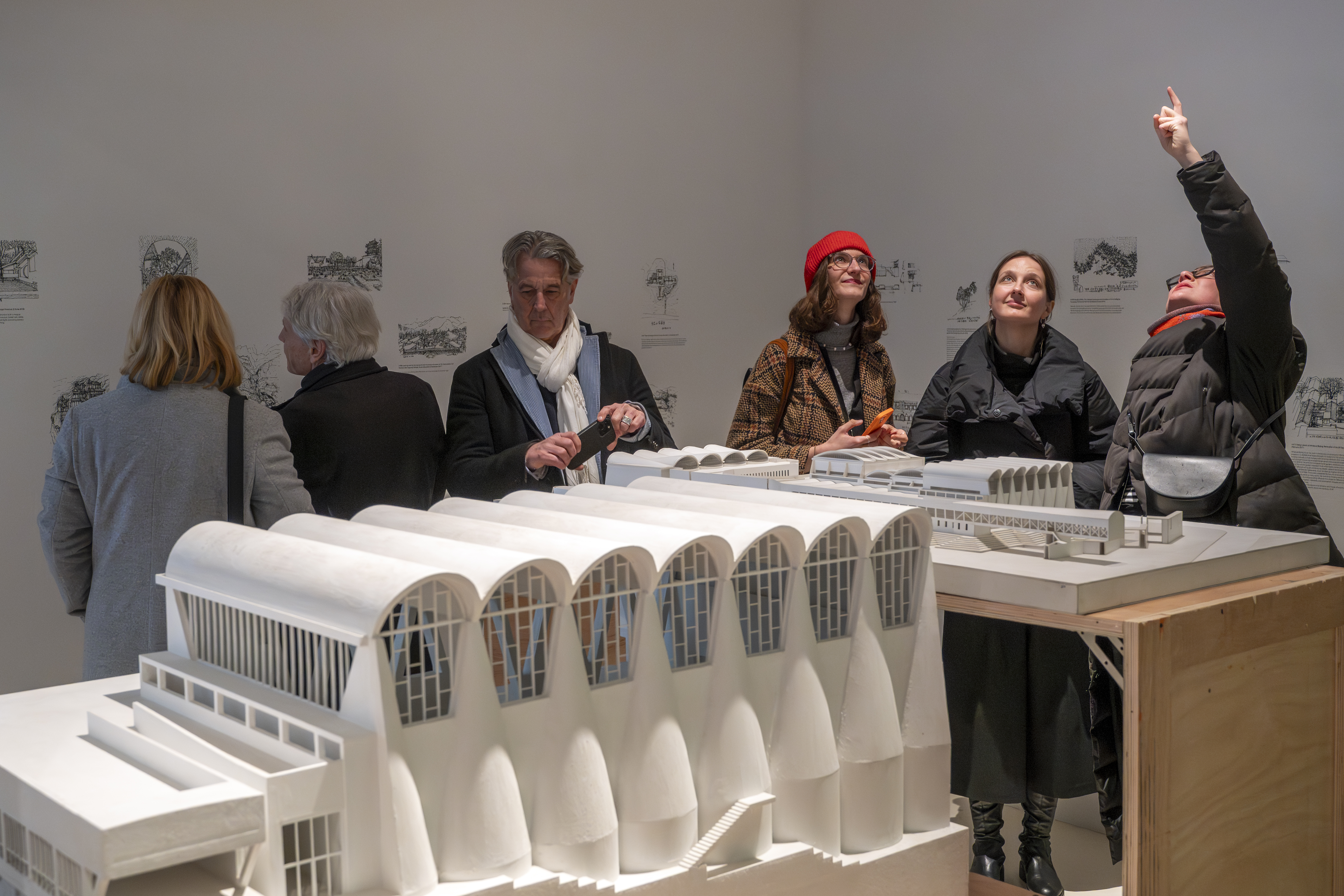
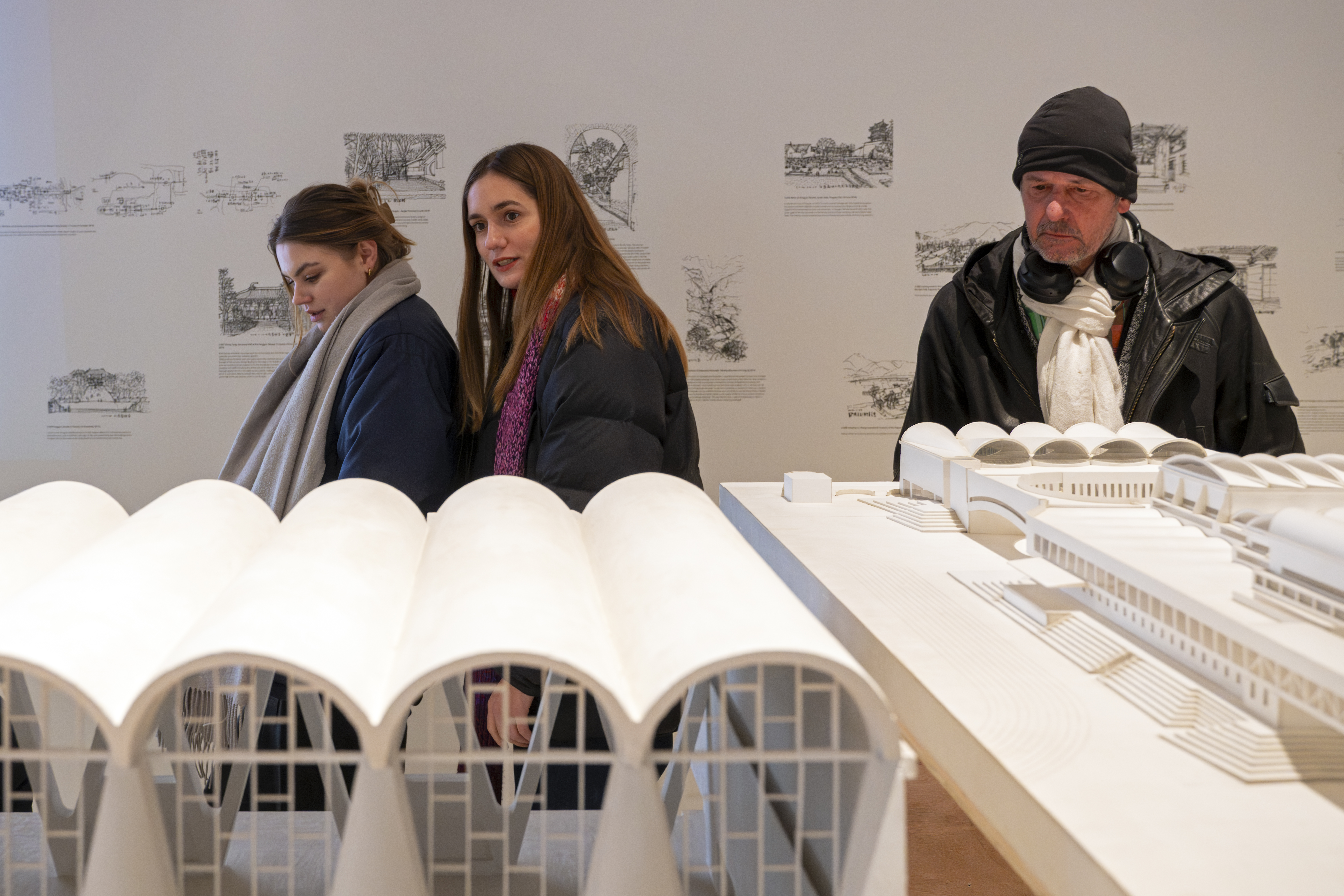
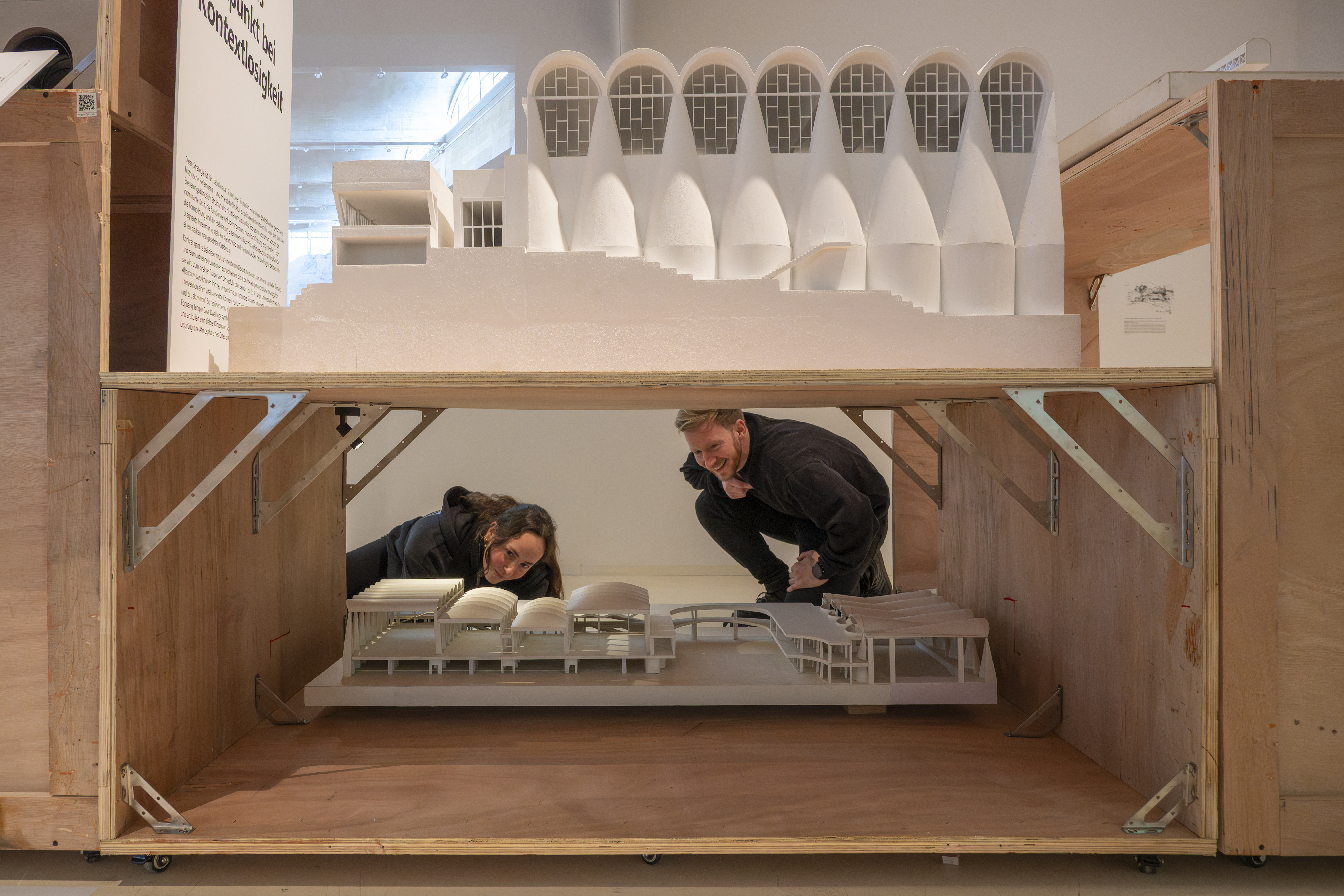
The presentation follows this integrative approach. Sketches, models, photographs, films and spatial installations are arranged in layers, opening up different approaches to the projects. The wooden crates used for displaying models are made from reused transport packaging, referencing the studio's working process in which research, design, construction and use are understood as a connected cycle. At the centre is the idea of a 'Total Milieu' – architecture that is experienced physically and intellectually.
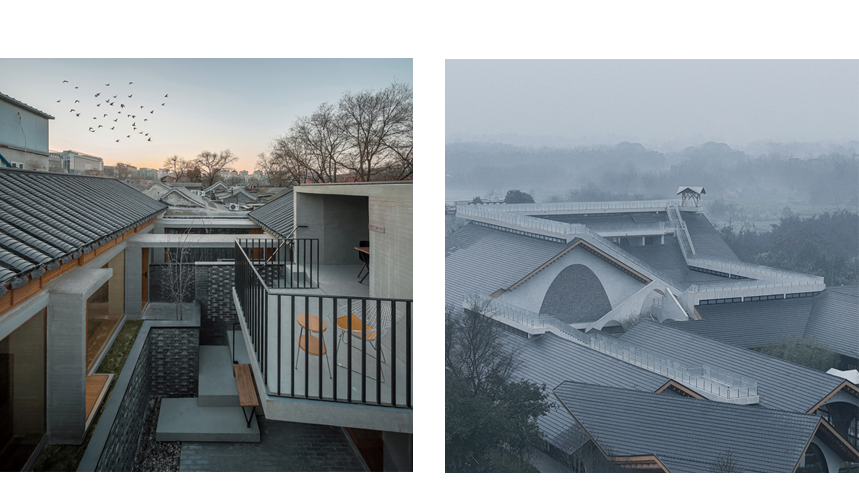
Miniature Beijing, Renovation No. 28 Dayuan Hutong © Su Shengliang | Anren Culture Center for Sect of Great Craftsman © Schranimage
Atelier Li Xinggang
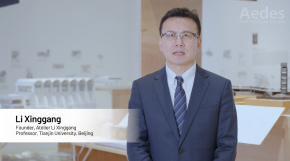
Founded in 2003, Atelier Li Xinggang is an architectural practice led by Li Xinggang, Professor at Tianjin University and Chief Architect of the China Architecture Design & Research Group. It pursues a research-based approach that connects traditional Chinese urban and garden spaces with contemporary strategies. International references include the Yanqing Competition Venue for the 2022 Beijing Winter Olympics, collaboration on the Beijing Olympic Stadium (Bird's Nest), as well as museums, campus buildings and renovations of historic structures in China.
Project Sponsor
China Architecture Design & Research Group